

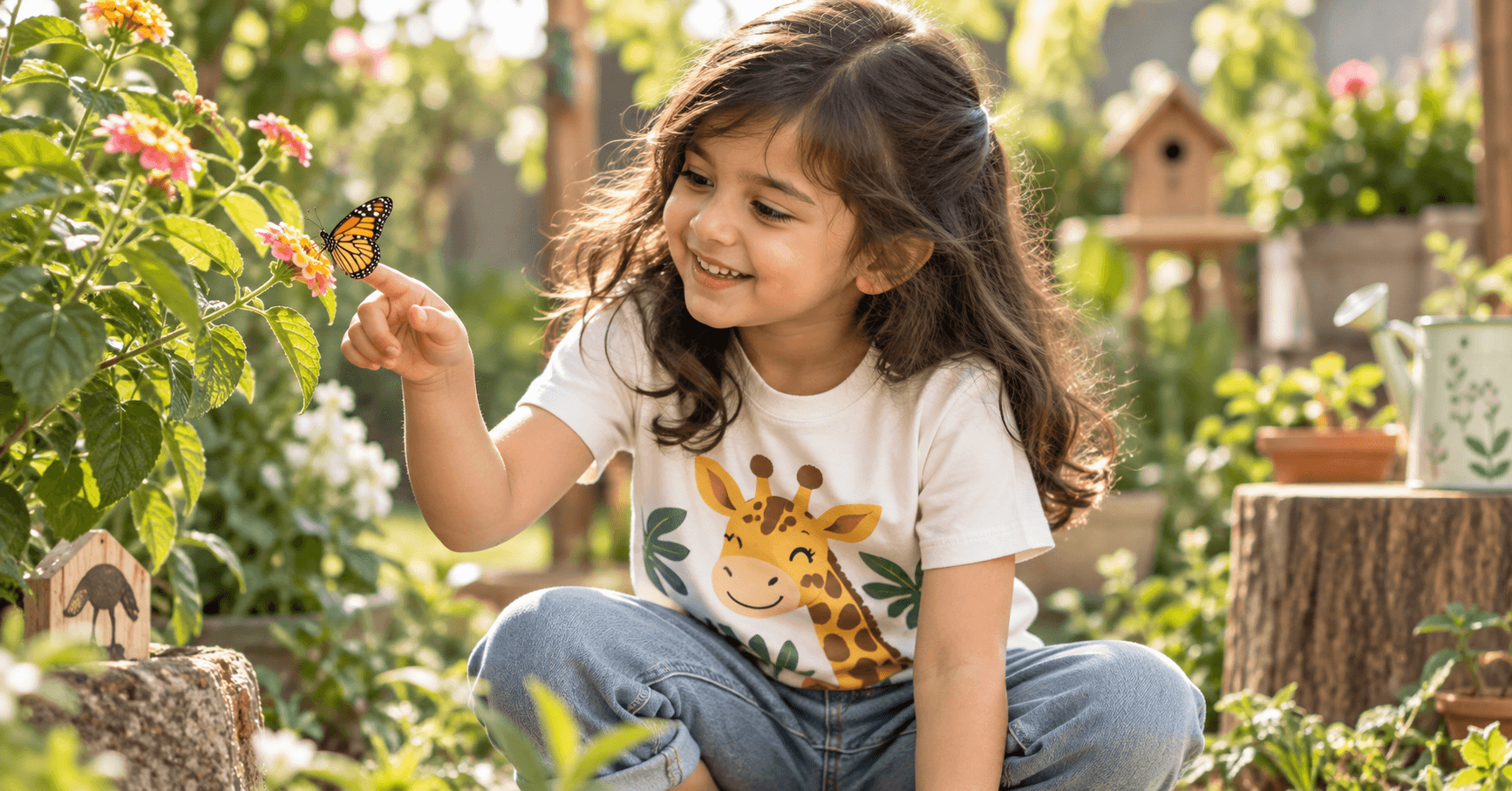
Ask a child about their favorite animal, and you’ll rarely get just a name on animal t-shirts for kids.
You’ll probably get a sound too.
A lion comes with a roar. An elephant needs an arm stretched out like a trunk. A tiger may suddenly start prowling around the room.
That’s why animal t-shirts for kids help children transform animals into stories. They turn them into stories.
For a young child, a bear, tiger, elephant or lion can become a character, an imaginary friend or the beginning of an entire afternoon of pretend play.
This is one reason animal t-shirts for kids can become surprisingly meaningful pieces in an everyday wardrobe. The animal on the front isn’t only decoration. It can connect with something a child already finds exciting.
And sometimes that tiny connection is enough to start a question, a game or a new interest in animal t-shirts for kids.
Why do children love animals so much?
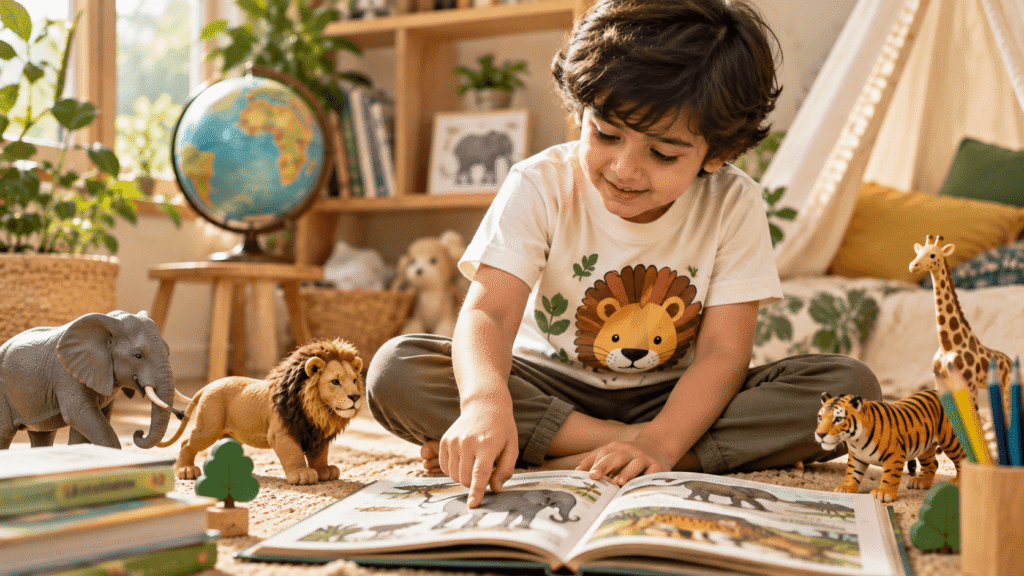
Animals are often children’s first introduction to the natural world.
Before children understand forests, habitats or ecosystems, they begin with simple discoveries.
Dogs bark.
Birds fly.
Fish swim.
Elephants have enormous ears.
Then the questions begin.
“Why does a tiger have stripes?”
“Where do lions sleep?”
“Can elephants swim?”
“Why can’t we keep a panda at home?”
That last one may require some negotiation.
But underneath all those questions is something valuable: curiosity.
Children naturally want to understand creatures that look, move and behave differently from them.
Books, toys, zoo visits and nature walks can encourage that curiosity. Even something as ordinary as the picture on a t-shirt can sometimes become another starting point.
A t-shirt can begin a conversation
Imagine your child puts on a tiger t-shirt one morning.
While getting ready, they suddenly ask:
“Do tigers live near our house?”
Now you’re talking about forests.
Perhaps tomorrow they’re asking what tigers eat.
Later you might read a tiger story together or look at pictures of wildlife.
None of this needs to become a formal lesson.
Children learn beautifully through ordinary conversations.
Parents don’t have to turn every moment into an educational activity. Sometimes you simply need everyone dressed and out of the door.
But when curiosity appears naturally, following it can be fun for both of you.
Animal designs can become part of pretend play
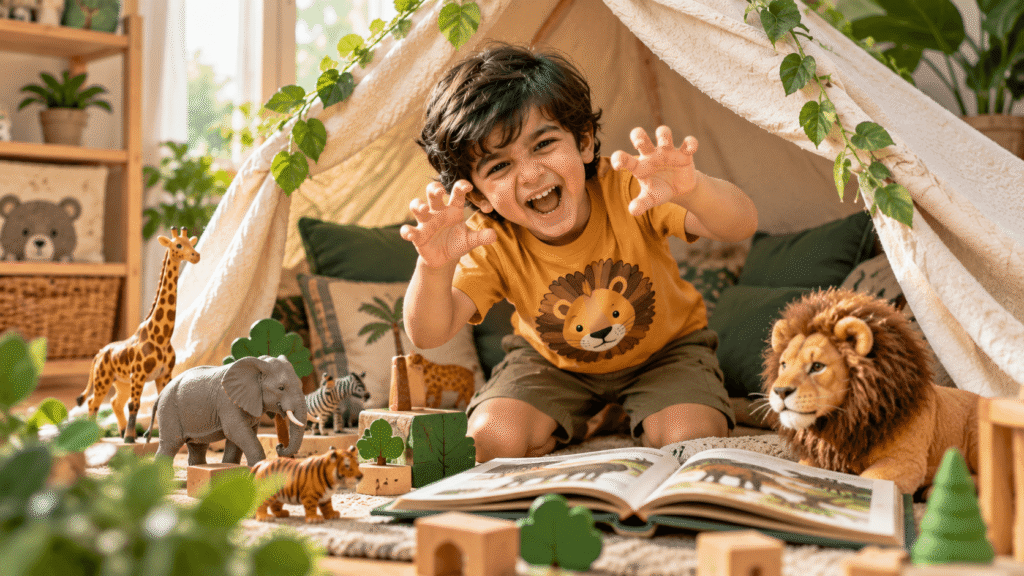
Children are remarkably good at creating worlds from almost nothing.
The sofa becomes a mountain.
A blanket over two chairs becomes a jungle cave.
The hallway becomes a wildlife trail.
And suddenly the child wearing a lion t-shirt isn’t simply wearing a lion.
They are the lion.
Pretend play gives children space to create stories, experiment with characters and express emotions.
A shy child can become a roaring tiger.
An energetic child can swing around pretending to be a monkey.
A gentle little one might decide they’re caring for an entire family of baby elephants.
The clothing doesn’t create the imagination.
The child does that.
The design simply gives their imagination another place to begin.
Their favorite animal can say something about their personality
Children often form surprisingly strong attachments to particular animals.
Some love powerful creatures such as lions and tigers.
Others prefer cuddly bears.
Some find elephants fascinating.
Others change their favorite every Tuesday.
Instead of trying to find meaning in every choice, parents can simply enjoy discovering what catches their child’s attention.
Try asking:
“Why do you like this animal?”
You might hear:
“Because lions are brave.”
“Because bears give hugs.”
“Because elephants are BIG.”
Or perhaps:
“Because it’s funny.”
There doesn’t need to be a profound answer.
Giving children room to explain their preferences helps them practice expressing what they like—and reminds us that their little personalities are developing all the time.
Let children help choose what they wear
Clothing is one of the easiest places to give young children a little independence without handing over the entire decision.
Parents can choose the practical things first:
Is the size right?
Does the fabric feel comfortable?
Is it suitable for everyday wear?
Then offer two or three designs.
“Would you like the tiger or the elephant today?”
That tiny choice can make getting dressed more cooperative.
Your child gets some ownership.
You still avoid sending them to a birthday party wearing swimming shorts and winter socks.
Everybody wins.
The animal gets their attention. Comfort keeps it in rotation.
Parents know that a cute design isn’t enough.
Children spend their days moving.
They sit cross-legged on floors, run through parks, climb furniture, draw, dance, eat snacks and occasionally fall asleep somewhere nobody expected.
Their everyday clothing has to keep up.
That’s why an animal t-shirt children genuinely enjoy wearing should also feel comfortable while they play.
Look for soft fabric, an easy fit, comfortable necklines and enough freedom to run, bend and stretch.
Charm and Chic’s existing guide on comfortable kids clothes explores this in much more detail. The central idea is simple: children notice how clothes feel, not merely how they look.
Animal t-shirts are for every child
Animals don’t need gender labels.
A girl can love roaring tigers.
A boy can adore cute bears.
One child may choose an elephant because it’s enormous. Another might pick the exact same design because they think its ears are funny.
Instead of beginning with:
“Is this a boys’ design or a girls’ design?”
Try:
“Would my child love wearing this?”
Children’s interests are usually a much better guide.
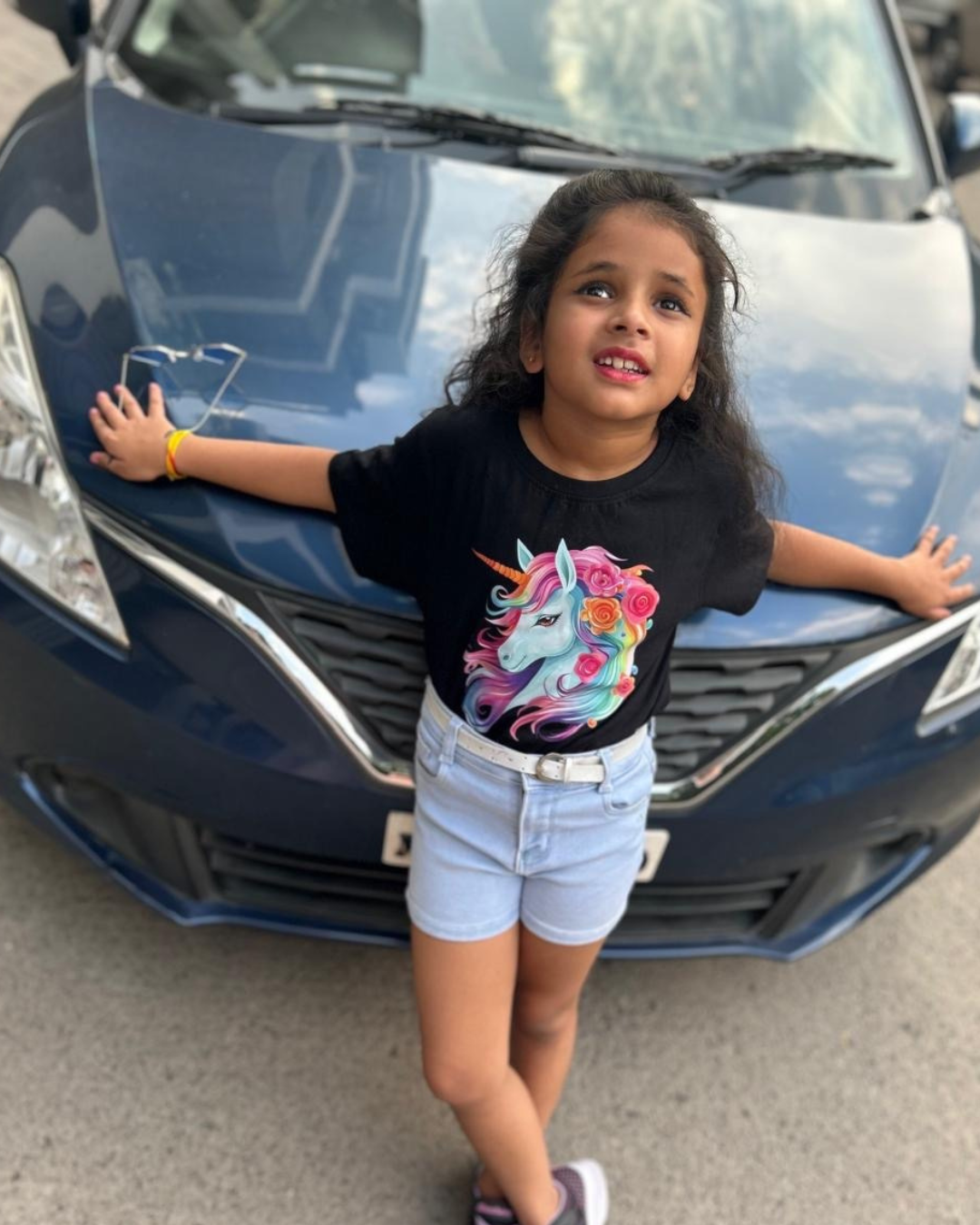
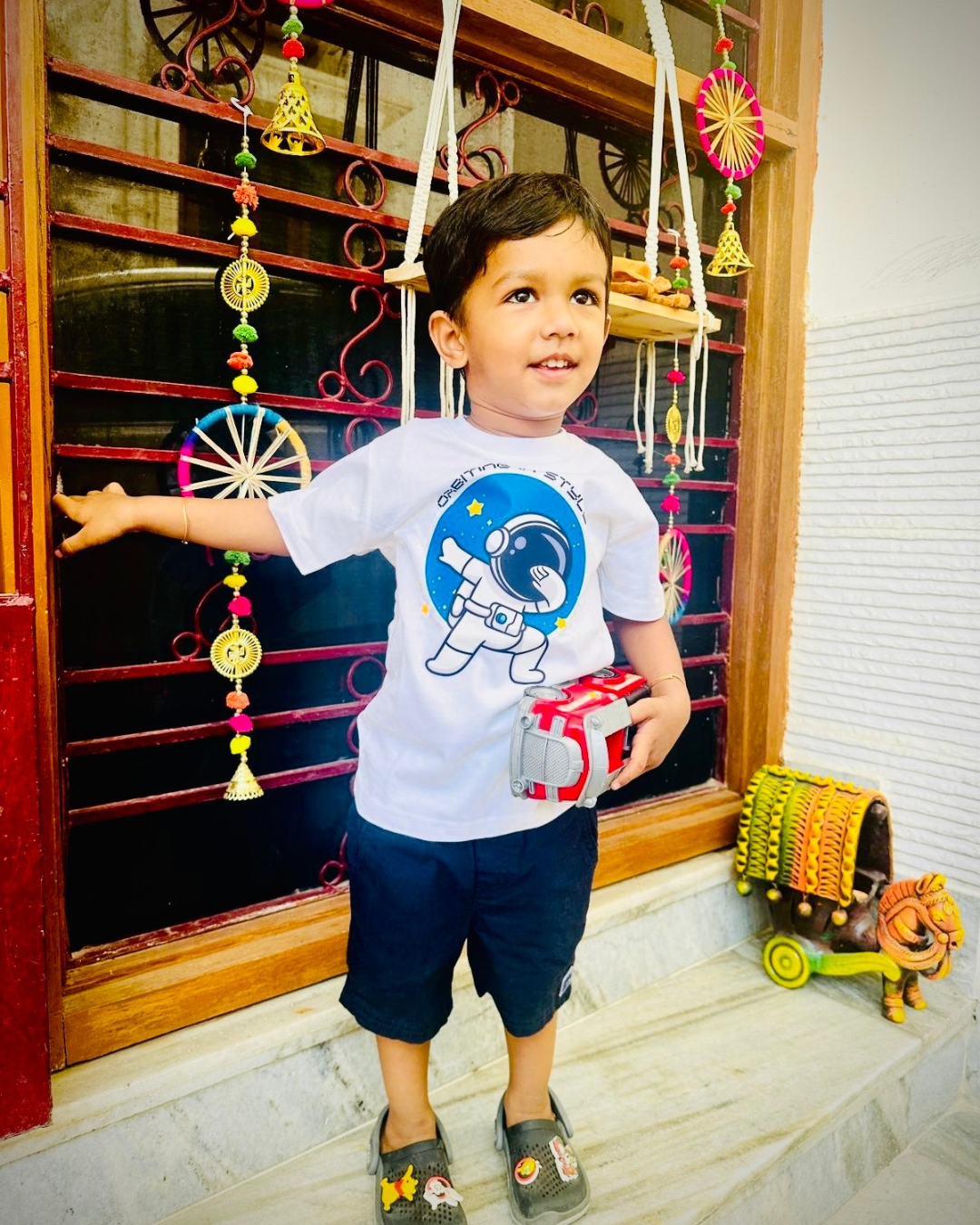
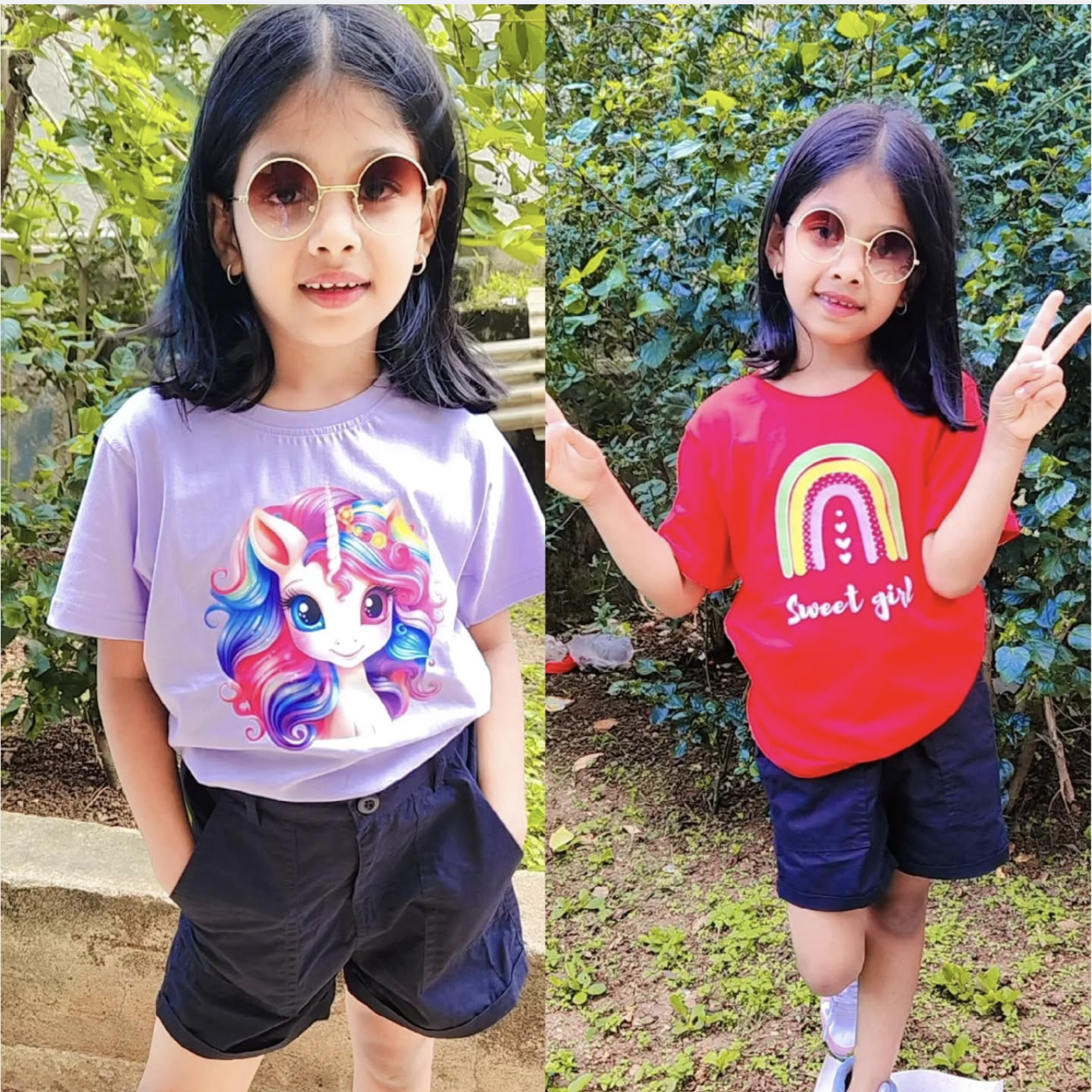
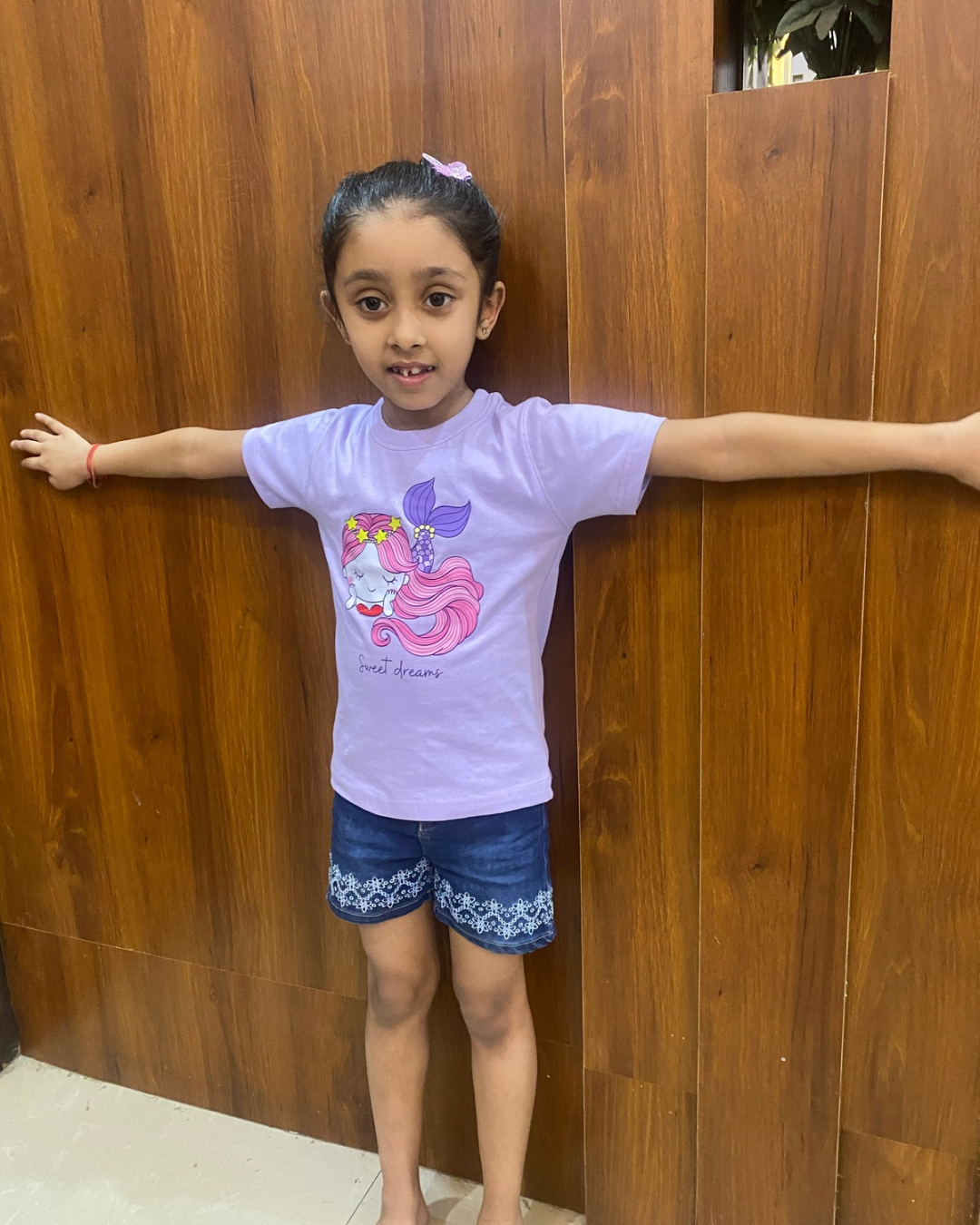
The same applies beyond animals. Some children love dinosaurs, some unicorns, some rockets and some superheroes.
Charm and Chic’s guide to choosing between space, dinosaur and superhero t-shirts follows the same principle: start with the child’s interests rather than simply what adults think looks good.
Can animal interests encourage a love of nature?
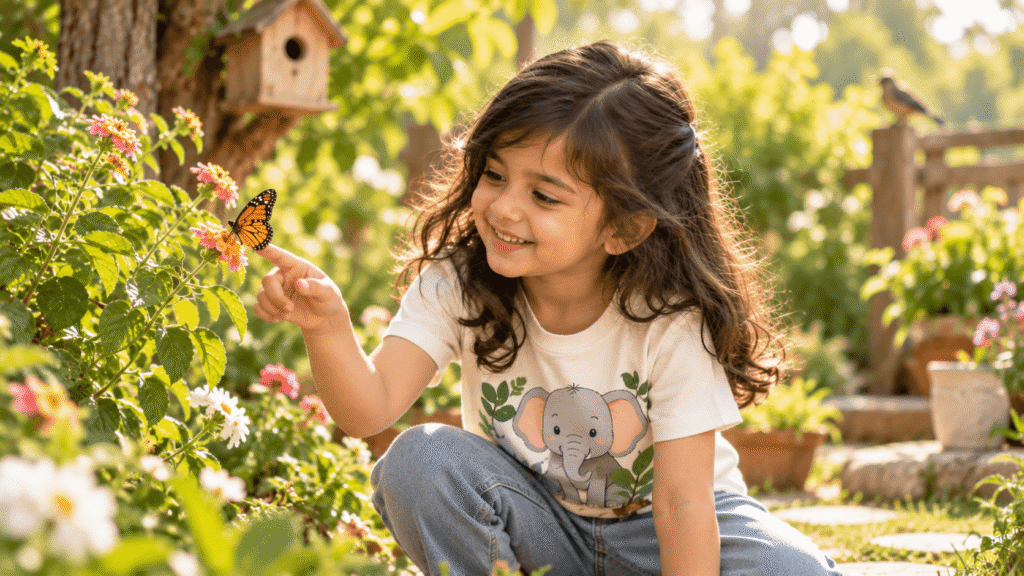
A t-shirt isn’t going to teach a child everything about wildlife.
Nor should we expect it to.
But childhood interests often grow in small steps.
A child loves elephants.
Then they want an elephant story.
They start drawing elephants.
One day they ask where elephants live.
Then why they need forests.
Then why wild animals need protecting.
The important part isn’t the t-shirt.
It’s the curiosity behind it.
Parents can gently give that curiosity somewhere to go.
Read an animal book together.
Look for birds from your balcony.
Visit a zoo or nature park.
Draw your child’s favorite animal.
Talk about the insects you find in the garden.
These are simple moments, but they help children notice that nature exists beyond screens and storybooks.
Bringing their favorite animals into everyday adventures
The Charm and Chic Animal Kingdom collection currently includes playful bear, elephant, tiger and lion designs.
But rather than choosing an animal because it’s trending, start with the child.
Which creature makes their face light up?
Which one do they keep drawing?
Which animal do they ask about when you’re reading together?
Those clues make choosing much more personal.
A favorite t-shirt can then become part of ordinary childhood: coloring at the table, visiting grandparents, running around the park or building an imaginary jungle in the living room.
The best t-shirts join the story
Children don’t need perfect wardrobes.
They need clothes that give them space to be children.
Comfortable enough for play.
Simple enough for everyday life.
And sometimes playful enough to make them roar like a lion before breakfast.
So the next time your child points excitedly at an animal t-shirt, don’t just ask whether they like it.
Ask:
“Which animal would you be for a day?”
You may get a lovely little conversation.
You may get an unexpected nature lesson.
Or you may spend the next ten minutes being chased around the house by a tiger.
All three sound like childhood to us.
Related Posts
Ultimate Monster T-Shirts for Kids Who Love Silly Characters
September 18, 2026 Everyday Kids Wear

Ultimate Kids’ Superhero T-Shirts: More Than a Cool Design
September 14, 2026 Everyday Kids Wear
Leave a Comment