

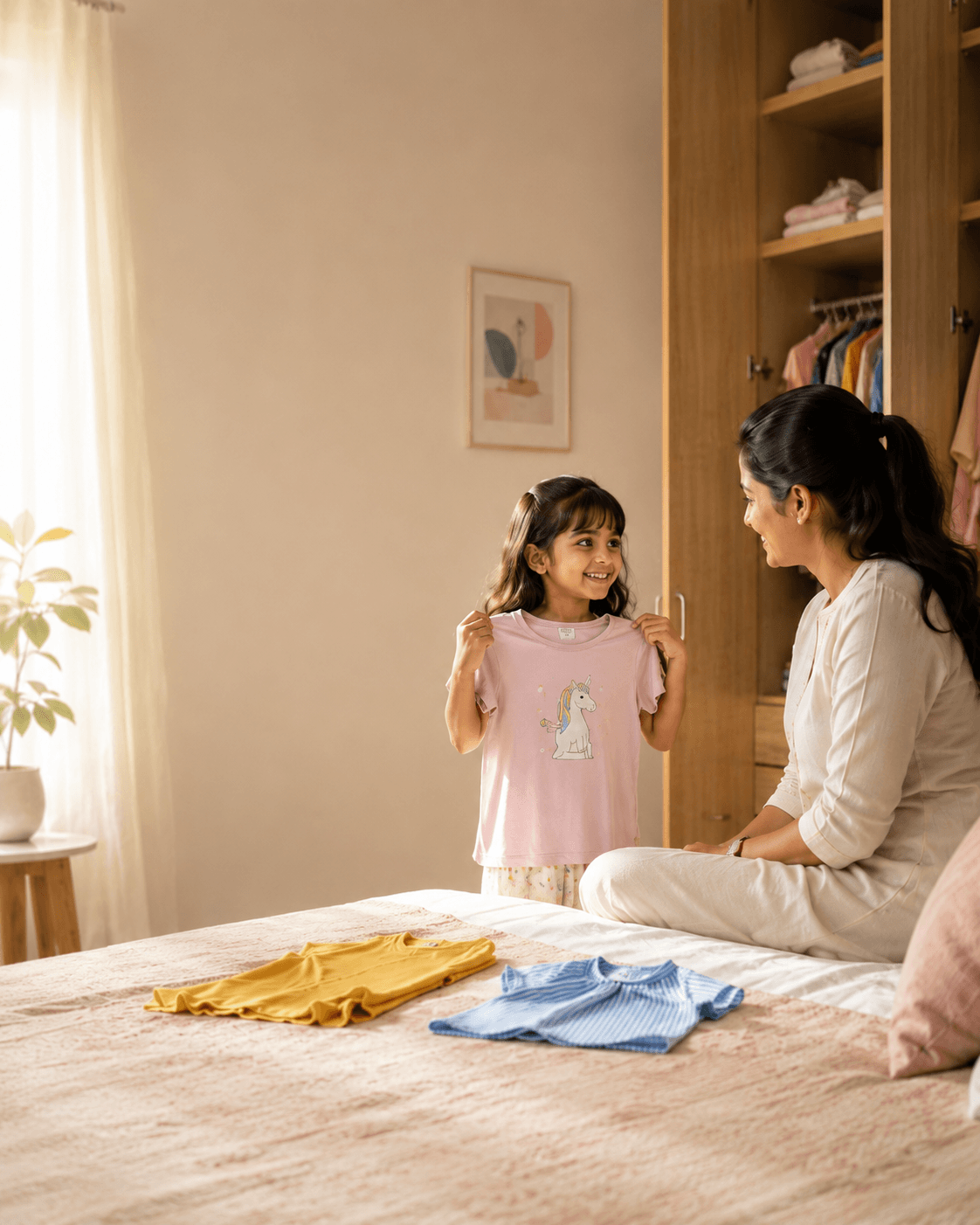
Kids refusing clothes can turn an ordinary morning into a difficult one.
For several days, my child refused almost everything I picked out. The new outfit stayed folded. The cute party top was pushed away. Even clothes that looked perfectly comfortable to me received a firm, “No!”
There was only one favourite T-shirt my child wanted to wear again and again.
At first, I thought this was simply stubborn behaviour. But that little T-shirt slowly taught me something important about clothing and child mood: what looks like fussiness to a parent may feel like comfort, safety and self-expression to a child.
The Morning That Changed My Thinking
One morning, we were already running late.
Breakfast was unfinished. The school bag was still open. I had chosen a lovely outfit and placed it neatly on the bed.
My child looked at it and immediately said, “I don’t want this.”
I explained that it was clean. I explained that it looked nice. I explained that we did not have time to choose another outfit.
The more I explained, the more upset my child became.
Then came the familiar request:
“Where is my favourite T-shirt?”
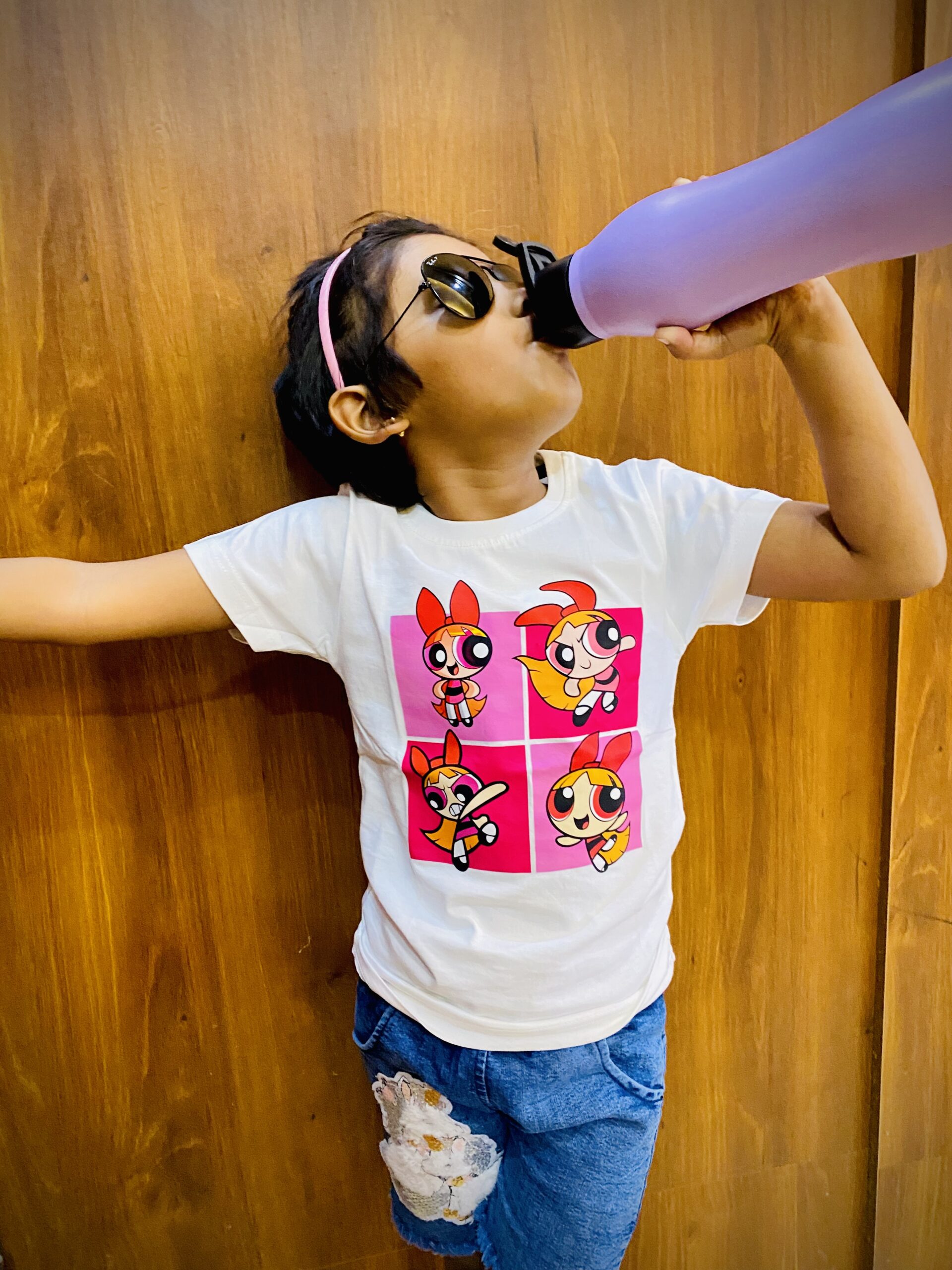
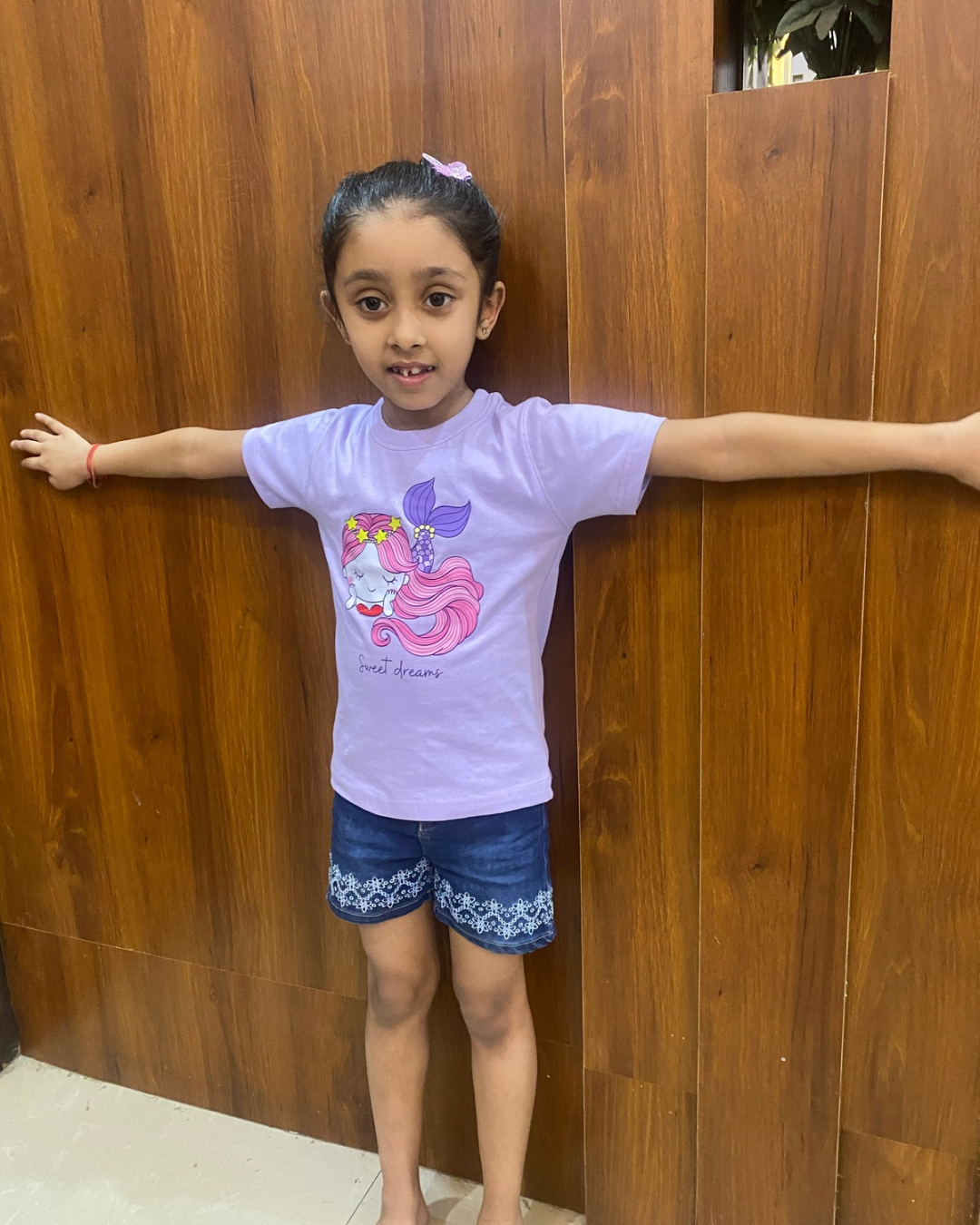
It was the same soft tee that had already been worn twice that week. It was comfortable, familiar and printed with a design my child loved.
I almost said no.
Instead, I stopped and asked, “What do you like about this one?”
The answer was simple:
“It feels good.”
That little sentence changed the whole morning.
Kids Refusing Clothes Are Not Always Being Difficult
As parents, we often see the situation from the outside.
We see a beautiful dress, a smart shirt or a perfectly matched outfit. Our children experience it from the inside.
They notice how the neck feels when the shirt goes over their head.
They feel the tag rubbing against their skin.
They notice a tight sleeve, a rough seam, a heavy print or a waistband that moves when they run.
A child might not yet have the words to say:
- “This fabric feels rough.”
- “The neckline is uncomfortable.”
- “I cannot move freely in this.”
- “I don’t feel like myself in these clothes.”
Instead, they say, “No.”
Sometimes, that “no” is not a battle. It is information.
This connects closely with what we explored in Why Comfortable Clothes Can Make Kids Happier. Comfort is not only about fabric. It can shape how easily children play, learn, move and enjoy their day.
What a Favourite T-Shirt Can Mean to a Child
To me, it was only a T-shirt.
To my child, it was part of a story.
The print sparked an imaginary adventure. The familiar fit felt safe. The softness meant there would be no scratching, pulling or adjusting throughout the day.
That T-shirt allowed my child to forget about clothes and focus on being a child.
Running.
Drawing.
Laughing.
Making up stories.
Going on little adventures.
Children often return to things that feel familiar. It might be the same bedtime story, the same cup, the same toy or the same kids’ T-shirt.
Familiar things can bring comfort during busy mornings, school days, family outings and new experiences.
That does not mean we must let children wear one shirt forever. It means their favourite clothes can help us understand what they need from the rest of their wardrobe.
Clothing and Child Mood Are More Connected Than I Realised
I started noticing a pattern.
When my child wore an uncomfortable outfit, there was more pulling, adjusting and complaining. Getting ready took longer. Small problems felt bigger.
When the clothes felt soft and easy, the mood changed.
My child moved freely, joined activities faster and seemed more relaxed.
The outfit did not magically create a perfect day. Children still have big feelings, tired mornings and unexpected meltdowns.
But comfortable clothing removed one unnecessary struggle.
That was my biggest lesson about clothing and child mood: clothes may not control emotions, but they can either add to a child’s discomfort or make the day feel a little easier.
I Stopped Choosing Only With My Eyes
Before this experience, I often chose clothes by asking:
“Does this look cute?”
Now I ask more questions:
“Will this feel good after two hours?”
“Can my child run, bend, climb and sit comfortably?”
“Is the fabric soft?”
“Will the neckline feel easy?”
“Does the design connect with something my child loves?”
“Would my child happily choose this without being persuaded?”
Style still matters. Dressing children can be joyful, and a lovely outfit can make birthdays, playdates and family photographs feel extra special.
But I no longer believe an outfit is truly beautiful when my child feels uncomfortable wearing it.
The best kids’ clothes bring together comfort, imagination and personality.
What Made Our Mornings Easier
I did not replace the whole wardrobe or create a complicated routine. We made a few small changes.
1. I Offered Two Comfortable Choices
Instead of opening the entire cupboard, I selected two suitable outfits.
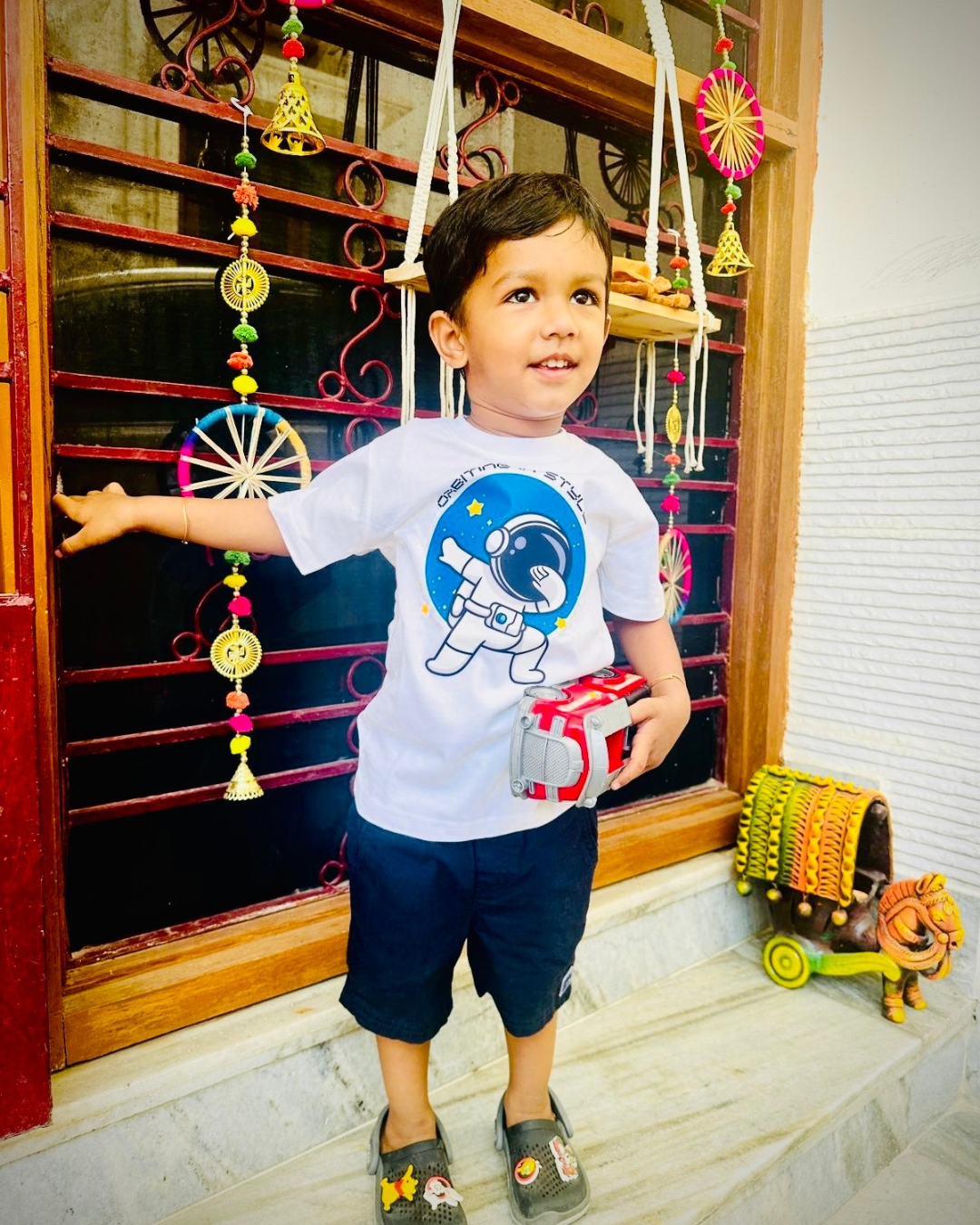
“Would you like the space T-shirt or the animal T-shirt?”
My child still had a choice, but the decision did not feel overwhelming.
2. I Created a “Yes” Section
We placed the most comfortable and loved clothes together in one easy-to-reach part of the wardrobe.
These were clothes I knew were suitable for everyday wear and clothes my child was usually happy to choose.
This made school mornings quicker for both of us.
3. I Checked the Feeling, Not Only the Size
A garment can technically be the correct size and still feel uncomfortable.
I began checking the fabric, seams, neckline, sleeves and overall fit. I also watched how my child moved while wearing it.
Could my child raise both arms easily? Sit comfortably? Run without pulling at the clothes?
Those small observations told me more than the size label.
4. I Listened Without Turning It Into a Debate
Instead of immediately saying, “There is nothing wrong with this outfit,” I started asking:
“Does it feel tight?”
“Is something scratching you?”
“Would you like something softer?”
These questions helped my child describe the problem instead of only rejecting the outfit.
5. I Allowed Favourite Clothes to Repeat
Children do not always understand why adults worry about repeating an outfit.
They simply know what makes them feel happy and comfortable.
Once I stopped treating repeated clothes as a problem, our mornings became calmer. A favourite T-shirt worn again was far better than starting the day with tears over an outfit nobody enjoyed.
Choice Can Become a Little Form of Confidence
Choosing clothes is one of the small ways children begin showing us who they are.
One child may dream of rockets and distant planets.
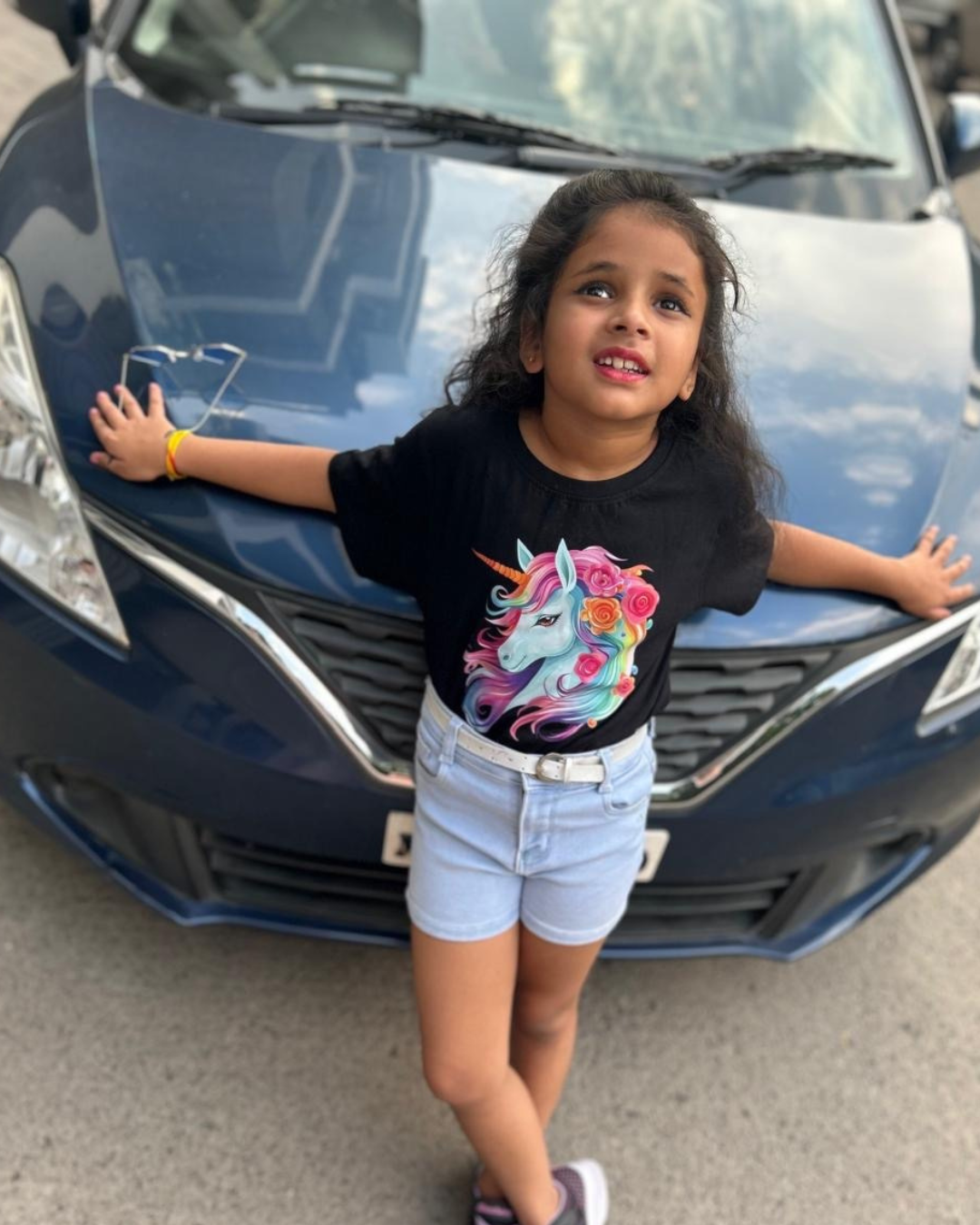
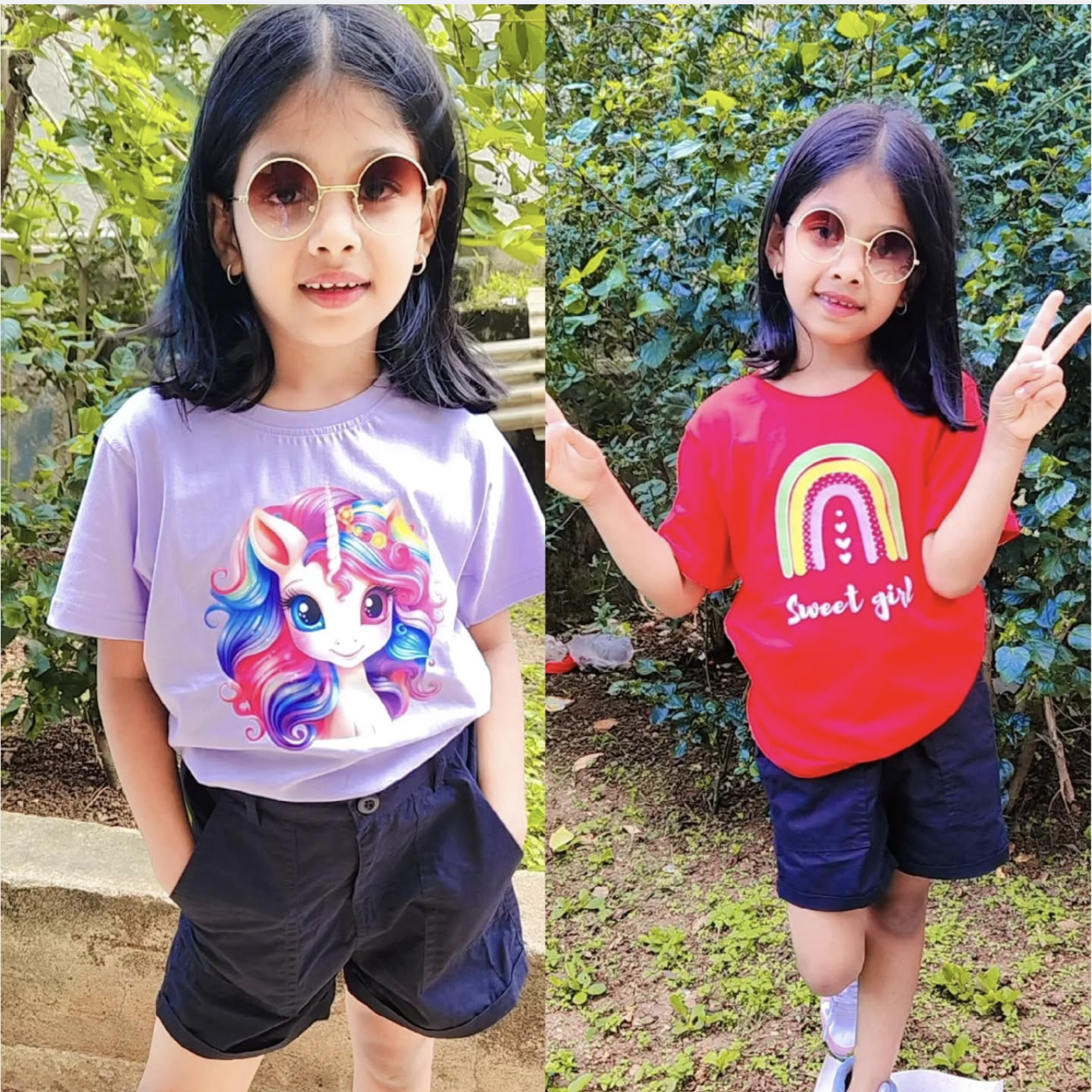
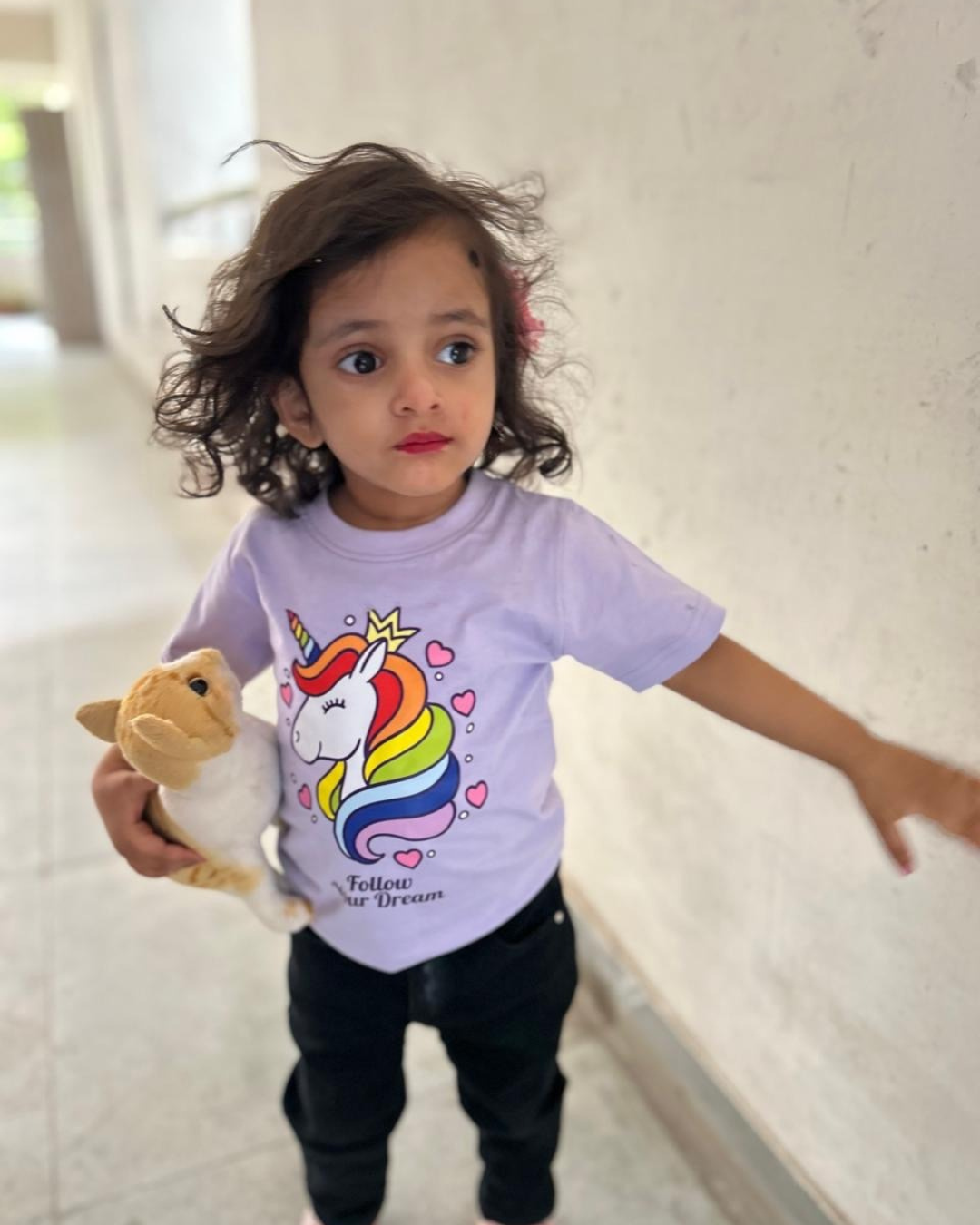
Another may love unicorns, rainbows and magical stories.
Someone else may choose dinosaurs, superheroes, animals or a funny cartoon character.
These choices are not meaningless. They are tiny pieces of a child’s growing personality.
When we let children make simple, age-appropriate clothing choices, we tell them:
“Your comfort matters.”
“Your ideas matter.”
“I am listening to you.”
That feeling can turn getting dressed from a daily argument into a moment of bonding.
What I Do When an Outfit Is Necessary
Of course, children cannot choose absolutely anything for every situation.
School uniforms, weather changes, weddings and special occasions sometimes require particular clothing.
On those days, I try to prepare my child instead of creating a last-minute surprise.
We talk about the outfit beforehand. We try it on at home. We check whether anything feels tight or irritating. When possible, I place a soft, familiar layer underneath.
I also carry a comfortable change of clothes for longer events.
Knowing that the favourite T-shirt is waiting in the bag can offer reassurance—and save the whole family from an unhappy journey home.
When Clothing Refusal Needs More Attention
Most children have clothing preferences, and many go through phases of wanting the same outfit repeatedly.
But repeated, intense distress around textures, seams, tags or getting dressed deserves patient attention.
Begin by checking for simple causes such as an uncomfortable fit, skin irritation, heat or a rough label. Listen carefully to what your child is trying to communicate.
When clothing causes frequent and severe distress or affects school and everyday activities, speaking with your child’s paediatrician or an appropriate child-development professional can help you understand what support may be useful.
The goal is not to force a child to “get used to it.” The goal is to understand what their body is telling them.
The Lesson Hidden Inside That Favourite T-Shirt
My child still has favourite clothes.
There are still days when a carefully planned outfit is rejected. There are still mornings when we need extra patience.
But I no longer see those moments in the same way.
When my child says, “I won’t wear that,” I try to listen beyond the words.
Perhaps the fabric feels wrong.
Perhaps the outfit does not allow enough movement.
Perhaps my child wants one small decision in a morning filled with instructions.
Or perhaps that favourite T-shirt simply feels like home.
Kids refusing clothes taught me that dressing is not only about appearance. It is about comfort, mood, identity, trust and the little stories children carry with them.
Sometimes, the outfit they choose again and again is telling us exactly what they need.
We only have to pause long enough to listen.
A Comfort-First Note From Charm & Chic
At Charm & Chic, we believe children’s clothing should support real childhood—the running, dreaming, learning, laughing and messy little adventures.
Our premium kids’ T-shirts bring together soft comfort and story-inspired designs, from magical unicorns to superheroes, animals and space explorers.
Because when children feel comfortable in what they wear, parents can spend less time negotiating with the wardrobe and more time enjoying the day together.
Frequently Asked Questions
Why is my child suddenly refusing to wear certain clothes?
Your child may dislike the fabric, fit, neckline, seams, tags or how the outfit feels while moving. Children may also reject clothes because they want more independence or feel emotionally connected to a favourite outfit.
Should I let my child wear the same T-shirt repeatedly?
It is generally fine to repeat a clean, comfortable T-shirt. Favourite clothes can give children familiarity and make daily dressing easier. Keeping two or three similar comfortable options can help with washing and rotation.
Can clothing affect a child’s mood?
Clothing can contribute to how comfortable or distracted a child feels. Soft, easy-to-move-in clothes may remove unnecessary irritation, while uncomfortable clothing can add stress to an already busy day.
How can I stop morning arguments about clothes?
Prepare two comfortable choices the night before, keep favourite clothes easy to reach and give your child enough time to decide. Asking what feels uncomfortable often works better than immediately rejecting their concerns.
When should I seek professional advice about clothing refusal?
Consider discussing it with a paediatrician or child-development professional when getting dressed causes intense distress regularly, affects school or everyday activities, or your child reacts strongly to many textures and sensations.
Related Posts
How Sibling-Themed T-Shirts Prove Essential for Everyday Bonding
September 23, 2026 Everyday Kids Wear
Ultimate Monster T-Shirts for Kids Who Love Silly Characters
September 18, 2026 Everyday Kids Wear

Ultimate Kids’ Superhero T-Shirts: More Than a Cool Design
September 14, 2026 Everyday Kids Wear
Leave a Comment