

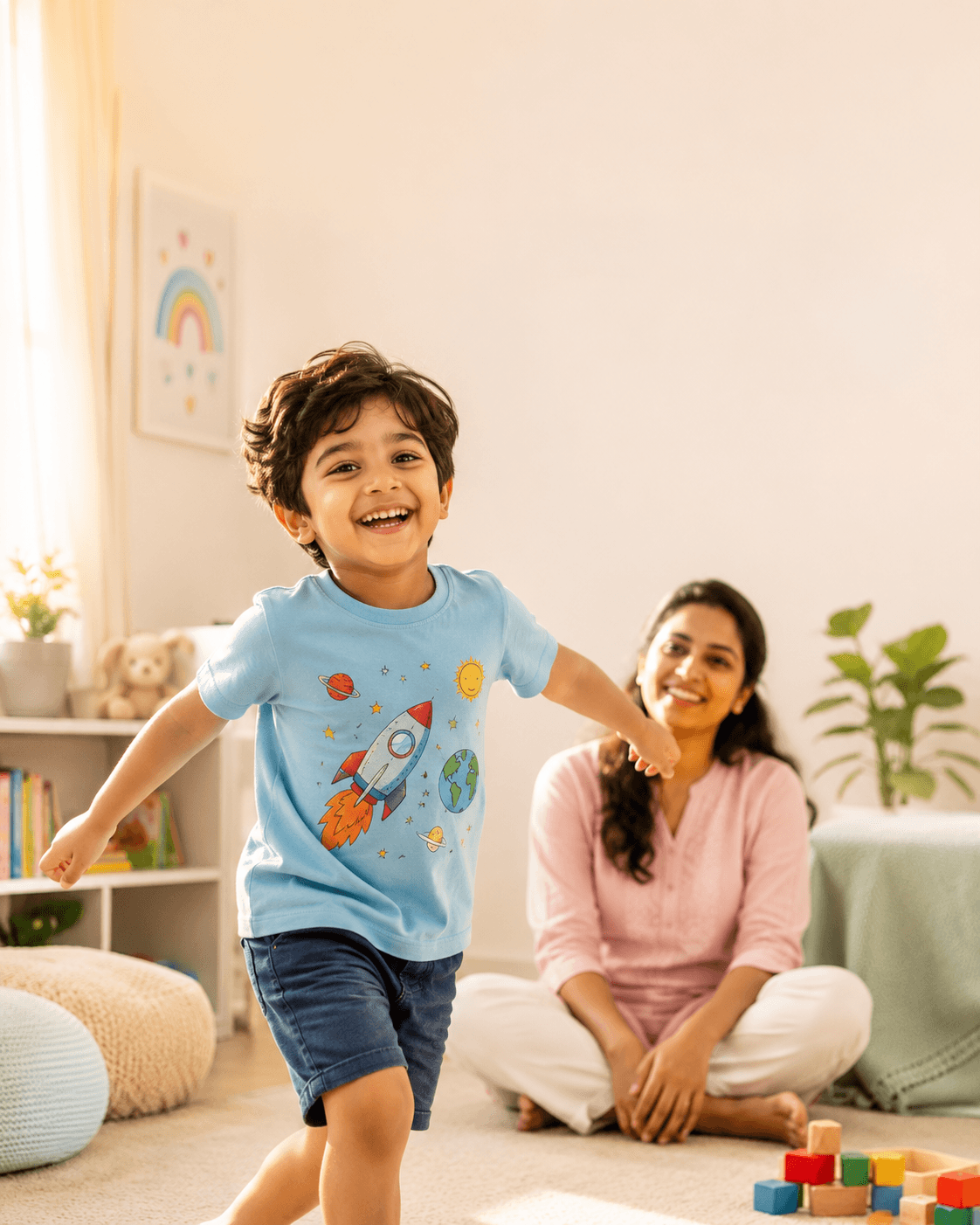
Why Comfortable Kids Clothes Actually Make Children Happier
As parents, we often choose clothes with our eyes first.
We notice the colour, the print, the matching set or how lovely an outfit may look in a photograph. But children experience clothing differently. They feel the fabric on their skin. They notice the neckline, sleeves, seams and fit. They know whether they can run, bend, climb and play without constantly pulling at their clothes.
That is why comfortable kids clothes can make such a difference to a child’s day.
The right kids daily wear does not only look good. It helps children feel relaxed, confident and ready for every little adventure—from school mornings and playdates to birthday parties and family outings.
The Small Morning Struggle Many Parents Know
You choose an outfit.
Your child looks at it and says, “No.”
You try another one.
Another “No.”
Then your child reaches for the same soft T-shirt they wore earlier in the week.
At first, this can feel frustrating. The other outfit may be newer, smarter or more perfectly matched. But your child is not thinking about styling rules.
They are thinking:
“This one feels nice.”
“I can move in this.”
“This is my favourite.”
“This feels like me.”
A favourite T-shirt can bring familiarity and comfort to a busy morning. When a child feels happy in what they are wearing, one small source of tension disappears.
And sometimes, removing one small struggle is enough to make the whole morning feel easier.
Comfort Helps Children Focus on Being Children
Children are always moving.
They sit on the floor to build towers. They run during playtime. They stretch, jump, dance, draw, eat, nap and suddenly decide the sofa is a mountain.
Their clothes need to move with them.
When an outfit feels tight, rough or difficult to manage, a child may spend the day adjusting it. They may pull at the neckline, scratch at a label or avoid certain movements.
Comfortable clothing allows them to forget about what they are wearing.
That freedom matters.
It means more attention for play, learning, imagination and connection.
The best kids daily wear quietly supports childhood without getting in the way.
Why Comfortable Kids Clothes May Support a Happier Mood
Clothing does not control a child’s emotions. Children will still have tired mornings, big feelings and difficult days.
However, uncomfortable clothes can add one more irritation to an already busy moment.
Think about how adults feel in a shirt that is too tight, shoes that rub or fabric that feels unpleasant. It becomes difficult to ignore.
Children may feel the same way, but they do not always know how to explain it.
Instead, they may become restless, distracted or upset.
Soft and easy clothing can remove that unnecessary discomfort. When children are not distracted by what they are wearing, they may feel more relaxed and ready to enjoy their day.
Comfort becomes the quiet background that allows joy, confidence and play to take the lead.
Five Ways Comfortable Clothing Can Improve Everyday Life
1. Easier School Mornings
Mornings already come with many small tasks.
Wake up.
Brush teeth.
Finish breakfast.
Pack the school bag.
Find the missing water bottle.
Getting dressed should not become another long battle.
Keeping a few trusted, comfortable outfits ready can make decisions faster. When children know their clothes will feel good, they may be less likely to resist getting dressed.
A simple T-shirt paired with comfortable bottoms can become a reliable school-day choice.
For parents, that means fewer negotiations.
For children, it means beginning the day with calm instead of conflict.
2. More Freedom During Play
Play is serious work for children.
It helps them explore, imagine, solve problems and connect with others.
Clothing should support that adventure.
A comfortable outfit makes it easier to:
- Run around the playground
- Sit cross-legged for story time
- Bend while drawing or building
- Climb and jump freely
- Move between indoor and outdoor play
Children should not have to choose between looking stylish and feeling comfortable.
The best outfits make room for both.
3. Greater Confidence and Independence
As children grow, they begin making more choices for themselves.
Clothing is often one of the first places where they express their personality.
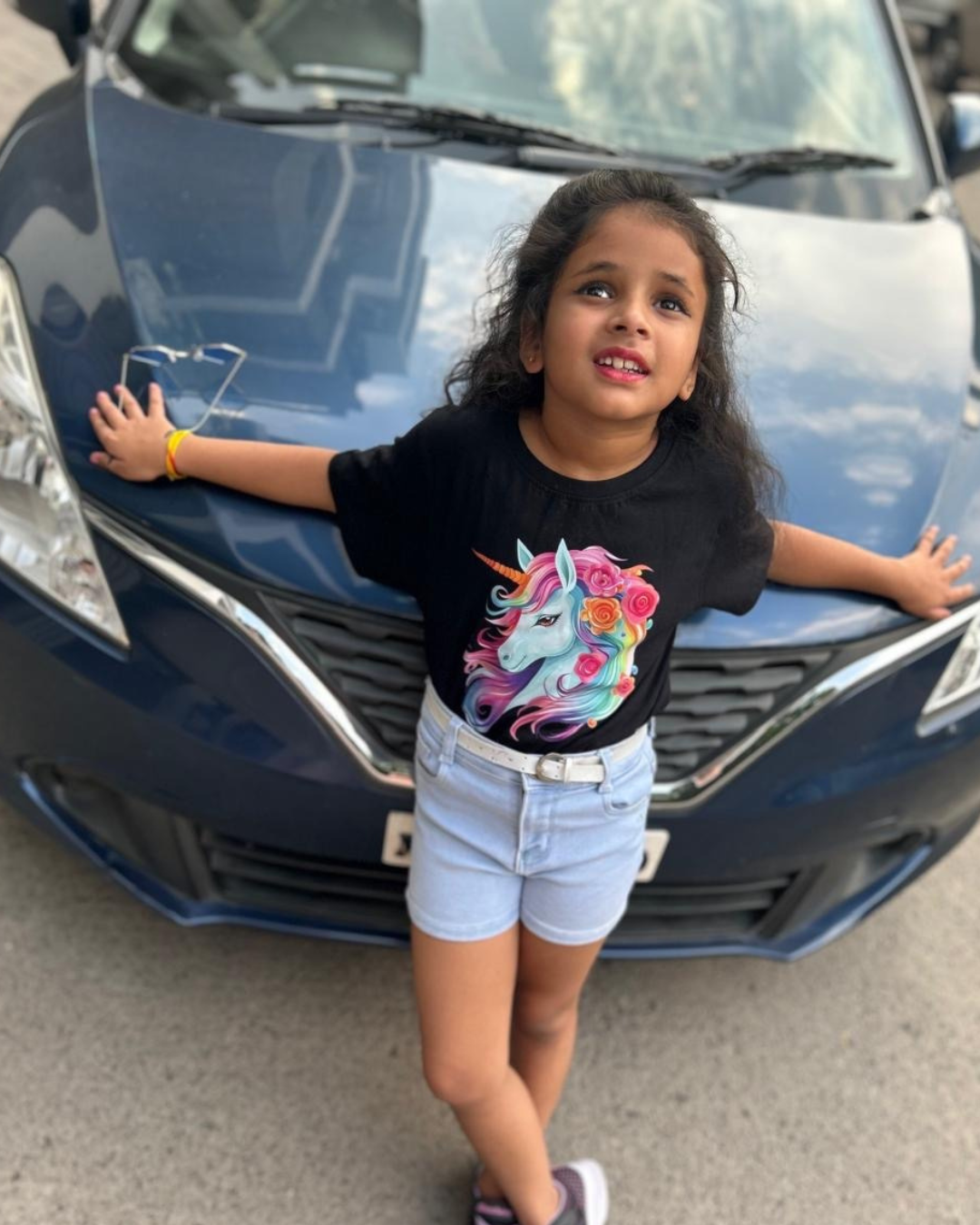
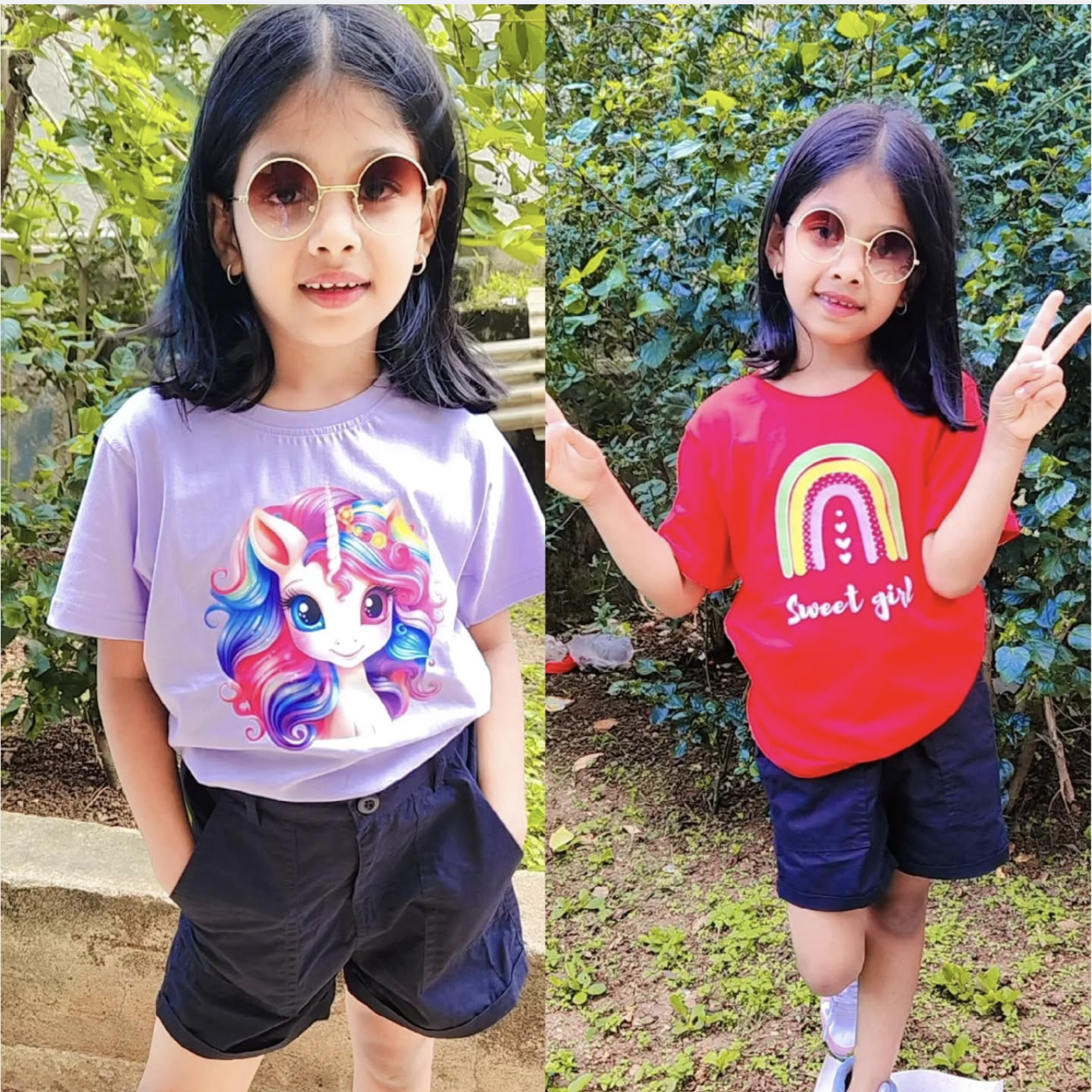
One child may love magical unicorns.
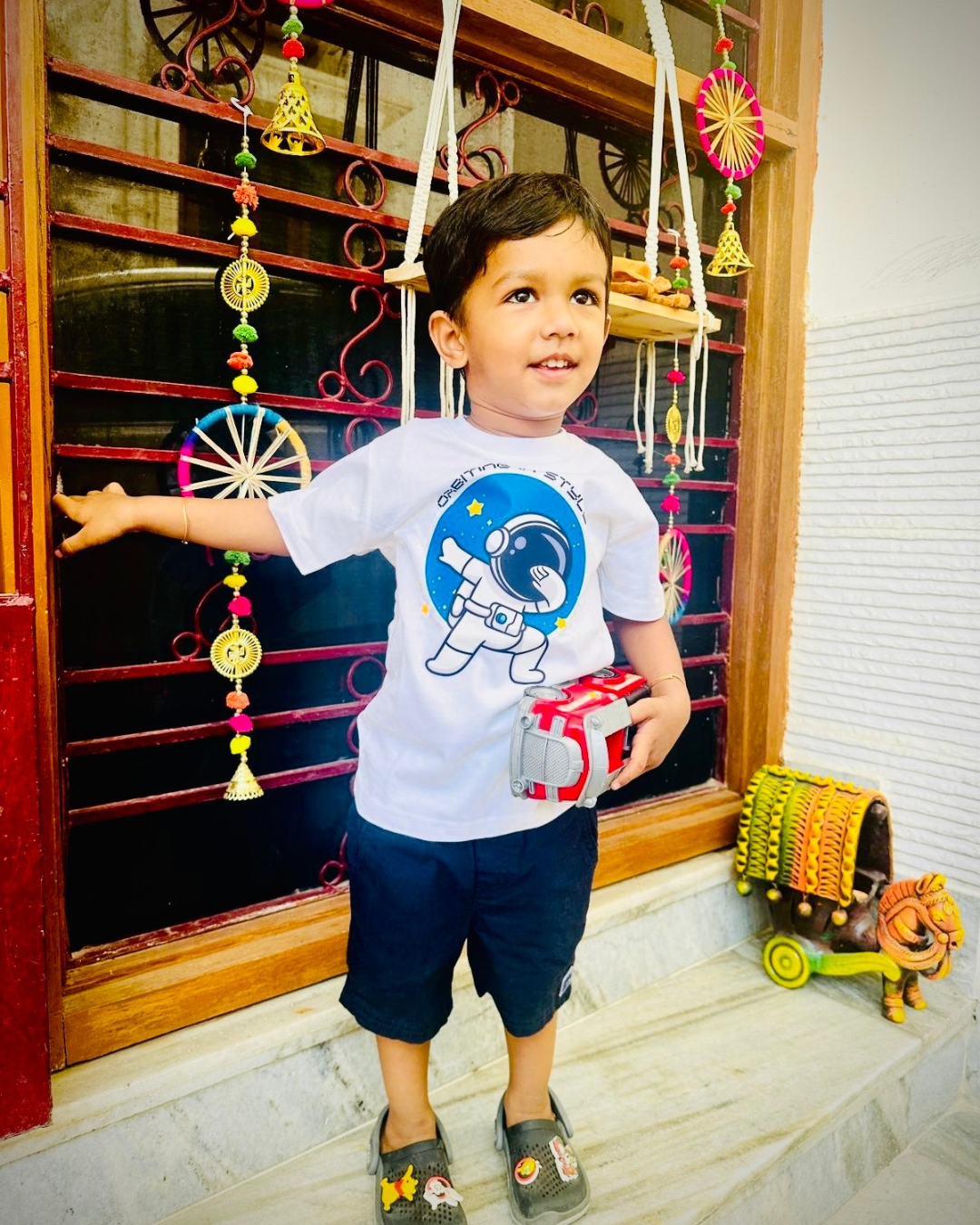
Another may dream about rockets and planets.
Some children feel brave in superhero T-shirts, while others love cheerful animals or funny dinosaur designs.
When children choose clothes that feel comfortable and connect with their interests, they may feel more confident wearing them.
They also begin learning simple independence:
“This is what I like.”
“This is what feels good.”
“This is what I want to wear today.”
Those small decisions help children feel heard.
4. Calmer Family Outings
A family outing can quickly become stressful when a child feels uncomfortable.
A tight outfit may look lovely at the beginning of the day, but after travelling, eating, walking and playing, discomfort can grow.
Choosing comfortable kids clothes for longer outings means children can enjoy the experience instead of asking to change clothes or go home.
For a mall visit, road trip, birthday party or family lunch, think beyond the first photograph.
Ask whether the outfit will still feel good after several hours.
Comfort can help everyone stay present and enjoy the memory being made.
5. Better Parent-Child Bonding
Getting dressed can become a daily point of connection.
Instead of choosing everything for your child, offer two comfortable options.
“Would you like your space T-shirt or your animal T-shirt?”
“Do you want the pink one or the blue one?”
This simple choice gives children some control without making the morning overwhelming.
It also sends an important message:
“Your comfort matters.”
“I care about what you like.”
“We can decide together.”
These little moments of cooperation can turn dressing from a struggle into a shared routine.
What Makes Kids Daily Wear Truly Comfortable?
Comfort is not only one feature. It comes from several small details working together.
Soft Fabric
The fabric sits against a child’s skin for many hours.
It should feel soft and gentle, especially for everyday outfits.
A fabric may look beautiful but still feel rough, stiff or heavy. Always touch the inside of the garment, not only the outside.
That is the side your child will feel all day.
Easy Fit
Comfortable clothing should allow movement.
It should not feel too tight around the neck, shoulders, waist or arms. At the same time, it should not be so loose that it becomes difficult to play in.
The best fit gives children enough room to move naturally.
Comfortable Neckline
Some children dislike tight neck openings.
A neckline should be easy to pull over the head without creating stress during dressing.
This small detail can make a big difference, especially during rushed school mornings.
Smooth Seams and Labels
Children may be sensitive to rough seams, scratchy labels or heavy stitching.
Check the inside of the garment before buying.
If your child repeatedly pulls at one area, there may be something small causing discomfort.
Lightweight Prints
Children often choose T-shirts because they love the design.
But the print should not make the front of the garment feel stiff or heavy.
A fun print should add magic to the story without taking away the softness of the T-shirt.
Easy Care
Comfort also matters to parents.
Good kids daily wear should be easy to wash, easy to match and simple to use again.
When parents can quickly prepare a child’s favourite outfit, mornings become easier for the whole family.
How to Check Comfort Before Buying
You do not need a complicated checklist.
Try these simple questions:
- Does the fabric feel soft on both sides?
- Can the child raise their arms comfortably?
- Is the neckline easy to wear?
- Can the child sit, bend and run freely?
- Are there any rough labels or seams?
- Does the print feel too heavy?
- Will the outfit still feel comfortable after a few hours?
- Does the child actually like the design?
The final question matters more than parents sometimes realise.
A comfortable garment becomes even more special when the child feels emotionally connected to it.
Comfort and Style Can Belong Together
Comfortable does not have to mean plain.
Children’s clothing can be soft, practical and full of imagination at the same time.
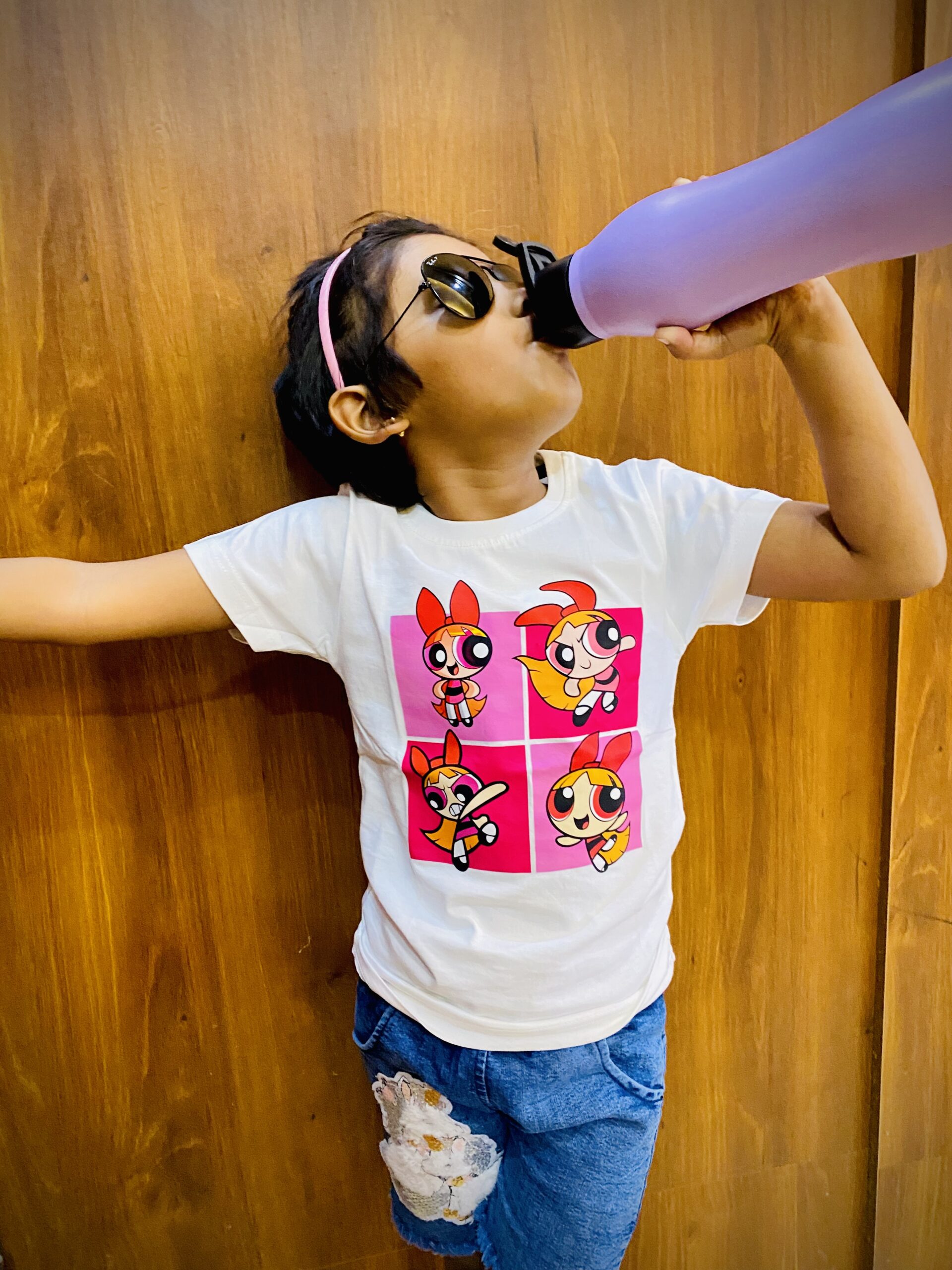
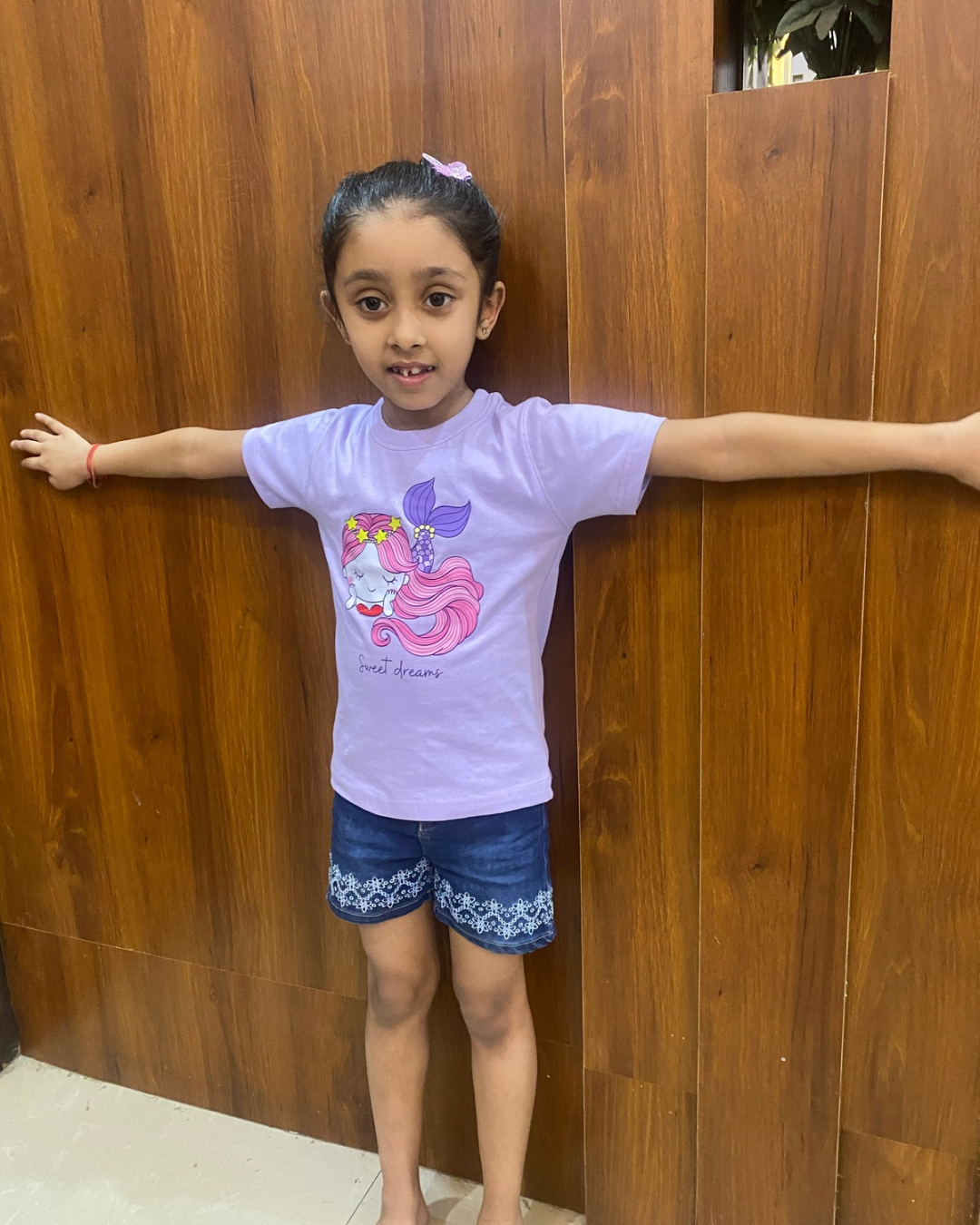
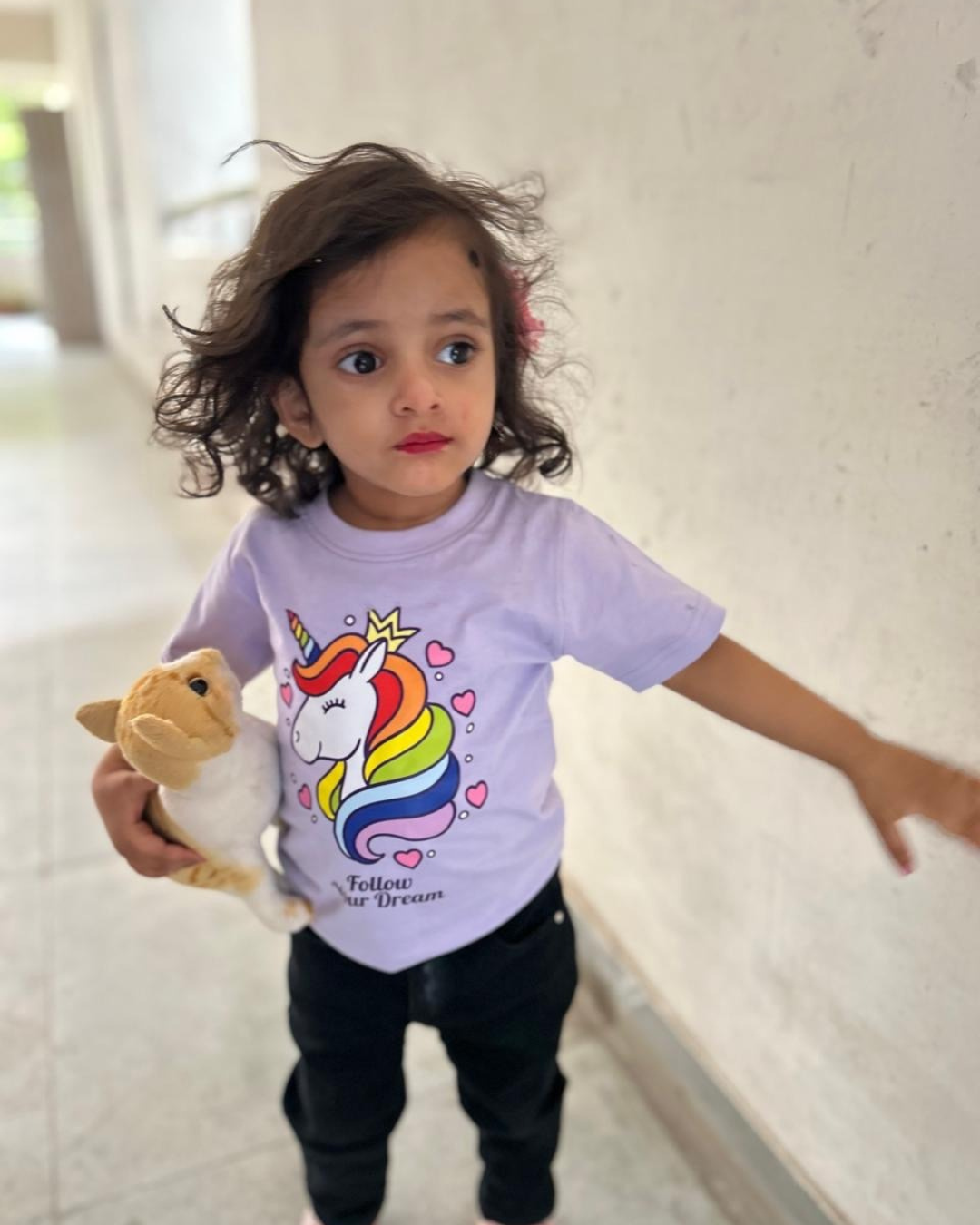
A unicorn T-shirt can turn an ordinary playdate into a magical story.
A space T-shirt can make a school day feel like a mission to the moon.
A superhero design can help a child feel brave.
A dinosaur or animal T-shirt can begin a whole afternoon of pretend play.
This is where children’s fashion becomes more than clothing.
It becomes part of their world.
The design brings joy.
The comfort lets them enjoy that joy freely.
A Simple Everyday Wardrobe for Children
Children do not need a wardrobe full of outfits they rarely wear.
A small collection of trusted, comfortable pieces can work better.
Consider keeping:
- A few soft printed T-shirts
- Comfortable bottoms that are easy to match
- One or two slightly smarter outfits for occasions
- A light layer for cooler weather
- A spare favourite outfit for travel
- Comfortable nightwear
Choose colours and designs that can be mixed easily.
This makes dressing faster and helps children recognise their favourite options.
A simple wardrobe can also reduce the pressure to make a perfect choice every morning.
Let Children Repeat Their Favourite Clothes
Parents sometimes worry when children want the same T-shirt again and again.
But repetition is often a sign that the clothing works.
The child trusts the fit.
They know how it feels.
They love the design.
It gives them a sense of familiarity.
There is nothing wrong with repeating a clean, comfortable favourite. In fact, noticing which clothes children repeatedly choose can help parents make better buying decisions.
Instead of asking, “Why do you always wear this?”
Try asking, “What do you love about this one?”
The answer may reveal exactly what your child needs from their clothes.
When Your Child Refuses an Outfit
Clothing refusal is not always misbehaviour.
Before turning it into a battle, pause and ask:
“Does something feel itchy?”
“Is it too tight?”
“Do you want something softer?”
“Would you like to choose between these two?”
Sometimes, children are responding to discomfort.
Sometimes, they want a little independence.
And sometimes, their favourite T-shirt simply makes them feel happy.
For a deeper look at this experience, read Kids Refusing Clothes: The Comfort Secret Parents Miss.
Comfortable Clothes for Different Moments
For School Days
Choose soft, breathable outfits that support long hours of sitting, learning and playing.
Keep the design cheerful but the outfit simple enough for an active day.
For Playdates
Look for easy movement and clothes that parents will not worry about during messy play.
A favourite printed T-shirt can help children feel confident in a social setting.
For Birthday Parties
Choose something special that is still easy to move in.
Children should be able to enjoy the cake, games and dancing without constantly adjusting their outfit.
For Travel
Use familiar and comfortable clothing.
Travel can already feel tiring or unpredictable. A trusted outfit brings a small sense of home to the journey.
For Everyday Adventures
A walk in the park, a visit to grandparents or an afternoon of drawing at home may not seem like a big event.
But these are the moments childhood is made of.
Comfortable kids clothes help children enjoy them fully.
A Parent’s Simple Rule
Before buying an outfit, ask:
“Will my child feel happy wearing this after the photograph is taken?”
It is easy to choose for the first look.
It is more meaningful to choose for the whole day.
The running.
The laughing.
The snack breaks.
The car ride.
The unexpected nap.
The little adventure that was not part of the plan.
That is where good kids daily wear proves its value.
The Charm & Chic Comfort Story
At Charm & Chic, we believe clothing should make childhood feel easier, brighter and more magical.
Our kids’ T-shirts are designed for real family life—school mornings, playdates, birthday excitement, family outings and quiet afternoons at home.
Each design carries a little story.
Unicorns bring magic.
Superheroes inspire courage.
Animals bring smiles.
Space designs encourage big dreams.
And soft, easy comfort helps children enjoy every part of the adventure.
Because the best clothes are not simply the ones children wear.
They are the ones children happily reach for again.
Final Thoughts
Comfortable kids clothes may seem like a small parenting choice, but small choices shape the rhythm of family life.
A soft T-shirt can make getting dressed easier.
A comfortable fit can support free movement.
A favourite design can inspire confidence and imagination.
A simple choice can help children feel heard.
Clothes cannot guarantee a perfect day. But they can remove one unnecessary struggle and give children more space for joy, play and connection.
And for many parents, that is more than enough reason to choose comfort first.
Frequently Asked Questions
Why are comfortable kids clothes important?
Comfortable clothing helps children move freely and reduces distractions caused by tight fits, rough fabrics, seams or labels. It can make dressing, playtime and family outings feel easier.
What fabric is best for kids daily wear?
Soft, breathable and lightweight fabrics are generally suitable for everyday wear. Parents should also check how the inside of the garment feels against the skin.
How can I tell whether my child’s clothes are comfortable?
Watch how your child behaves while wearing the outfit. Repeated pulling, scratching, adjusting or refusing to move may suggest discomfort.
Should children choose their own clothes?
Offering two or three suitable choices can support independence without overwhelming the child. It also helps parents understand what fits, colours and designs their child prefers.
Is it okay for children to repeat the same T-shirt?
Yes. Repeating a clean favourite outfit is usually fine. It often means the child feels comfortable, confident and emotionally connected to that piece.
What should children wear for everyday play?
Choose soft T-shirts and easy-fitting bottoms that allow running, bending, sitting and climbing. The outfit should support movement and be simple for parents to wash and reuse.
Related Posts
How Sibling-Themed T-Shirts Prove Essential for Everyday Bonding
September 23, 2026 Everyday Kids Wear
Ultimate Monster T-Shirts for Kids Who Love Silly Characters
September 18, 2026 Everyday Kids Wear

Ultimate Kids’ Superhero T-Shirts: More Than a Cool Design
September 14, 2026 Everyday Kids Wear
Leave a Comment